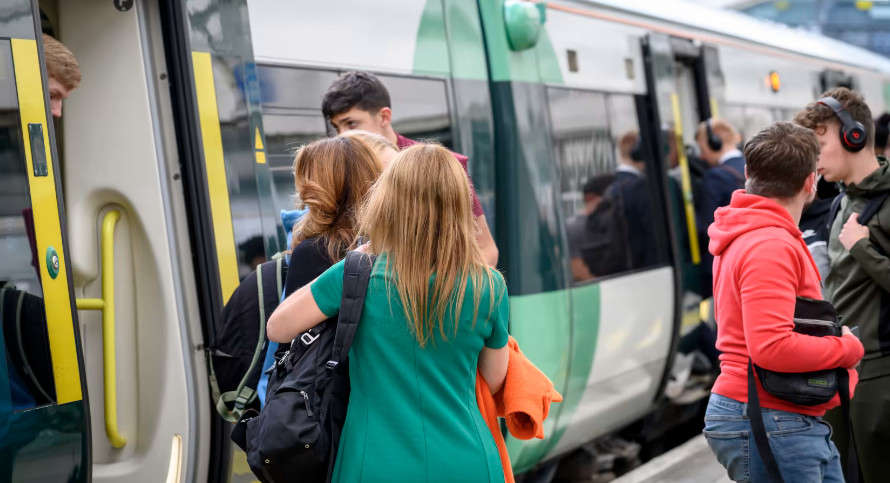
An initial report released on 19 August 2026 by the Rail Accident Investigation Branch (RAIB) confirmed that a "track geometry irregularity" existed on the immediate approach to the site where a Southern Railway train derailed near Lewes on Thursday, 13 August 2026.
Rail Accident Investigation Branch (RAIB) confirmed that a "track geometry irregularity" existed on the immediate approach to the site where a Southern Railway train derailed near Lewes on Thursday, 13 August 2026. The defect was captured on CCTV footage from services that had utilized the line earlier that day, nearly two hours before the accident occurred.
The Key Incident Details
- The Train: A Southern service travelling from London Victoria to Eastbourne with approximately 150 passengers onboard.
- The Impact: The rear three carriages of the eight-carriage train derailed and flipped onto their sides.
- Casualties: 30 people were injured, with 20 requiring hospital treatment. Two passengers with serious injuries remain hospitalised.
- Pre-incident Warning: Local MP James MacCleary noted he had previously reported "bumpy" track conditions on this section. Passengers on other trains also logged subsequent reports of "rough riding" at the exact location.
- Current Status: The line between Lewes and Haywards Heath remains closed and is expected to stay shut for at least another week while complex rail crane recovery and track repairs continue.
Environmental and Infrastructure Factors
Investigators are strongly focusing on a combination of extreme weather and ground conditions:
- Heatwave Conditions: The derailment occurred on what was the UK's hottest day of 2026 so far, amidst a prolonged hot and dry spell. Temperatures near the site were recorded at 27°C, while no precautionary speed restrictions were in place at the time.
- Embankment Movement: The railway line sits on a clay embankment sensitive to moisture changes. The RAIB found evidence that "some movement" had occurred in the embankment prior to the accident, though there is no proof of a sudden, significant landslip.
- Recent Maintenance: Debris and data show evidence of recent, prior track maintenance work in the immediate area.
Next Steps in the Investigation
The ongoing safety investigation by the RAIB and a separate legal review by the Office of Rail and Road (ORR) will now examine:
- How this particular section of the track was inspected and maintained.
- The structural history and condition of the underlying clay embankment.
- The effectiveness of Network Rail's hot weather mitigation procedures.
Network Rail and Greater Thameslink Railway have issued a joint apology and pledged to implement any forthcoming safety recommendations.
 Summer heatwave drives Winter feed appeal for Raystede's Horses and Donkeys
 Eastbourne man jailed for rape and domestic abuse
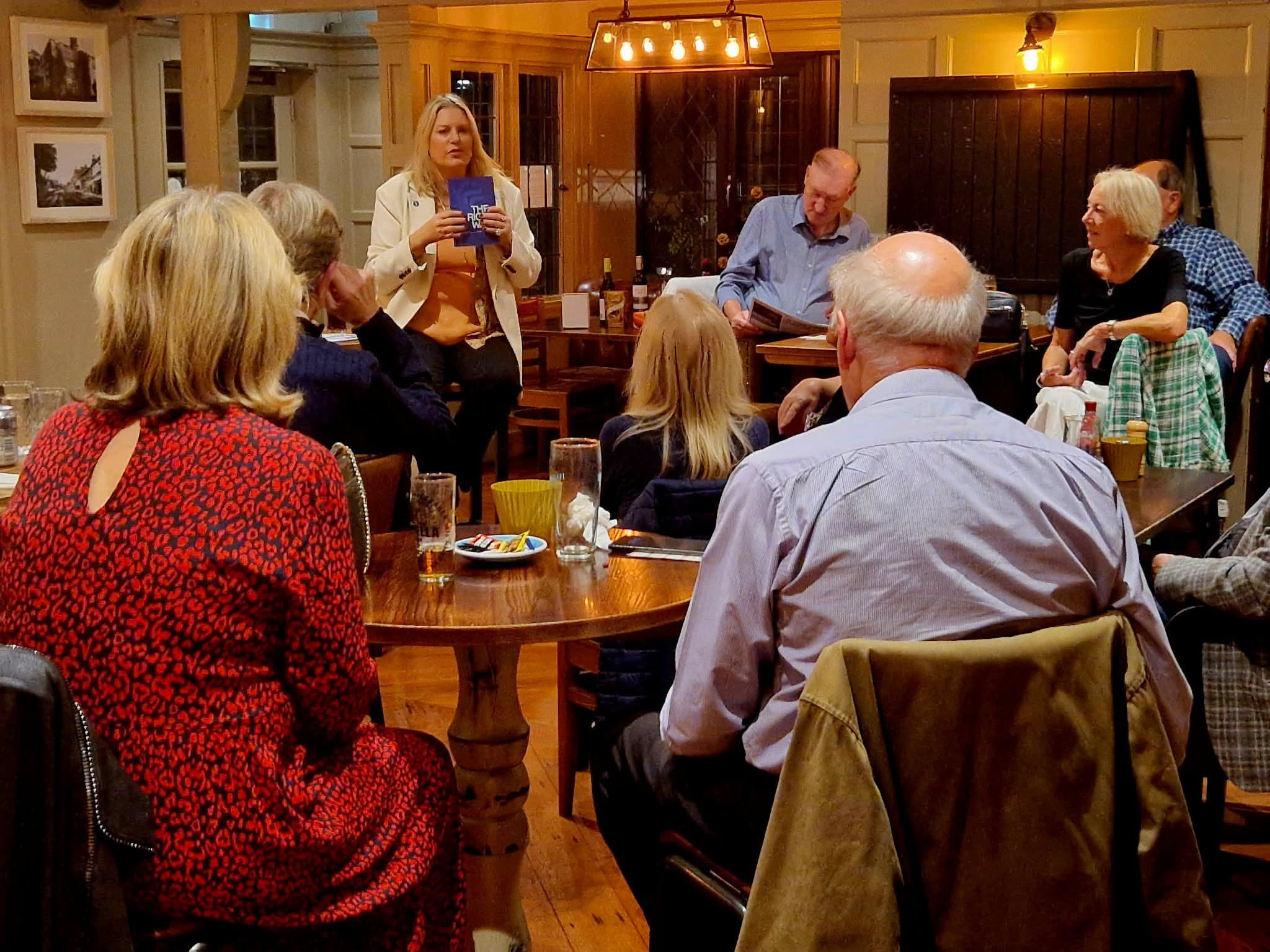 Mims Davies MP joins 'Political Bites' in Uckfield's award-winning Highland Inn with residents
 Mims Davies MP welcomes Uckfield residents to Parliament and Prime Minister's Questions
 Teenager sets up charity walk for Macmillan Cancer Support
 Improvements coming to Polegate recreation ground
 Eastbourne school listed for sale
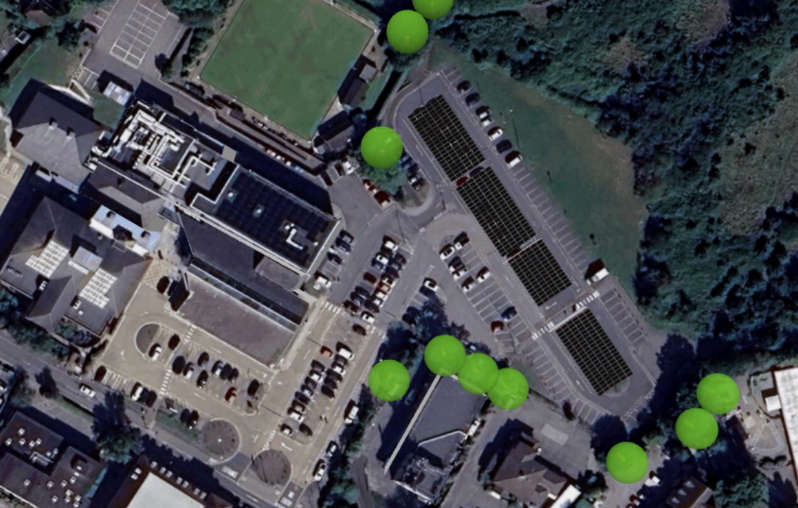 Solar car ports to be installed in Hailsham car park to deliver energy savings